By: Jermaine Galloway
One of the things I have learned after years of doing community scans is that when we think we know what we are looking for, we sometimes miss what is sitting right in plain sight. That is especially true when it comes to concealment.
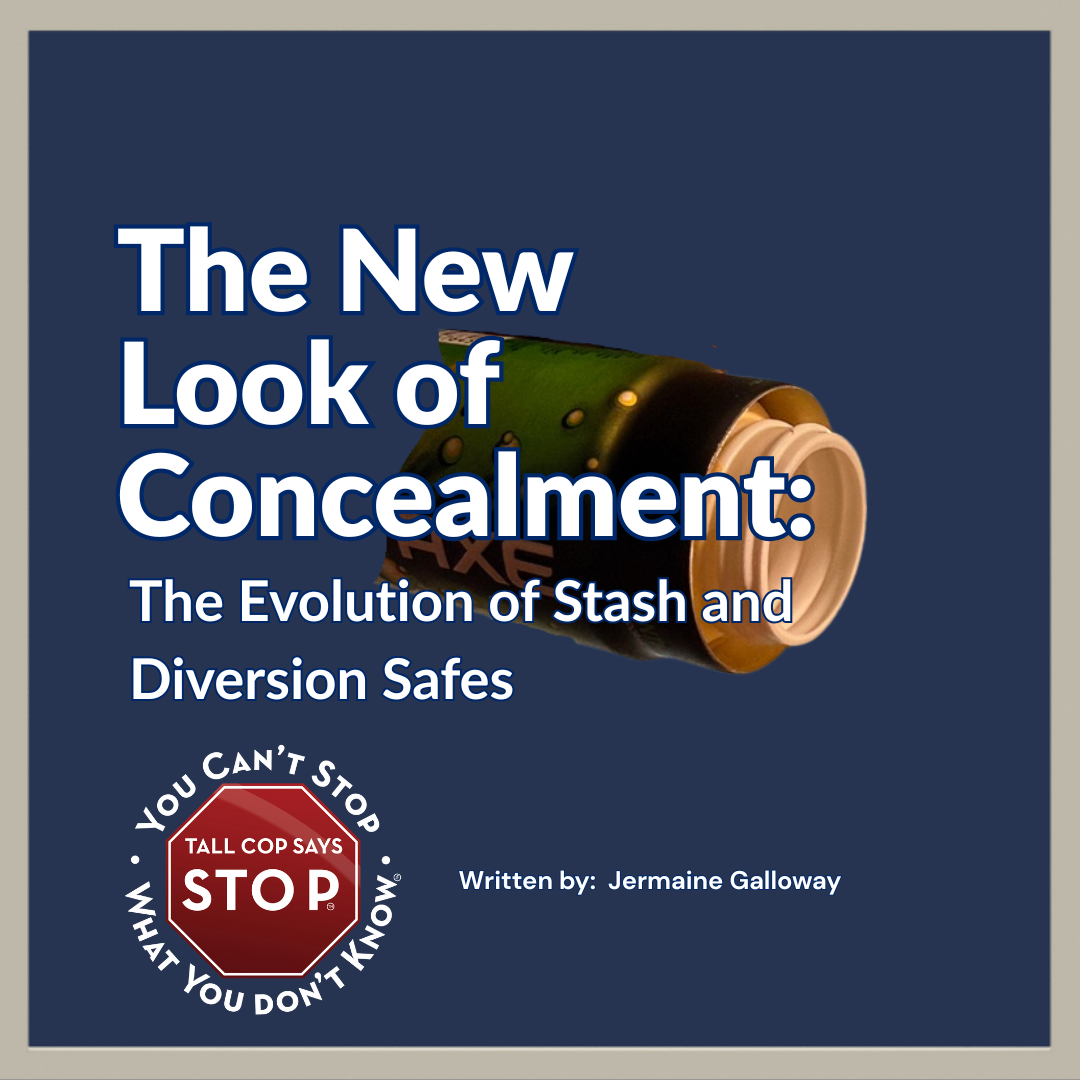
Most people are familiar with the traditional “stash can” , a soda can with a twist-off top or another container designed to provide a hidden compartment. Those products still exist, but the concealment market has evolved considerably. Today, commercially available stash containers, diversion safes, and concealment products can look almost identical to the everyday products we see in our homes, vehicles, schools, dorm rooms, offices, backpacks, and other environments. And they are not particularly difficult to find. Search online for term s such as “stash safe,” “diversion safe,” or “concealment container,” and you will find a wide variety of products. During my community scans, I have also found these items in smoke shops, truck stops, gas stations, shopping areas, and other retail locations.
What Exactly Is a Diversion Safe?
A stash or diversion safe is an item designed to hide valuables while making the container itself appear ordinary or unremarkable. Those valuables could be jewelry, cash, personal belongings, or other items. The word “stash” does not automatically mean something illegal is being hidden. There are plenty of legitimate reasons someone might want to conceal something valuable. The important thing to understand is how these products are designed. They use disguise and familiarity to blend into their surroundings. Think about some of the things you might see sitting around an average home:
- A bottle of soda.
- A can of body spray.
- A container of gum.
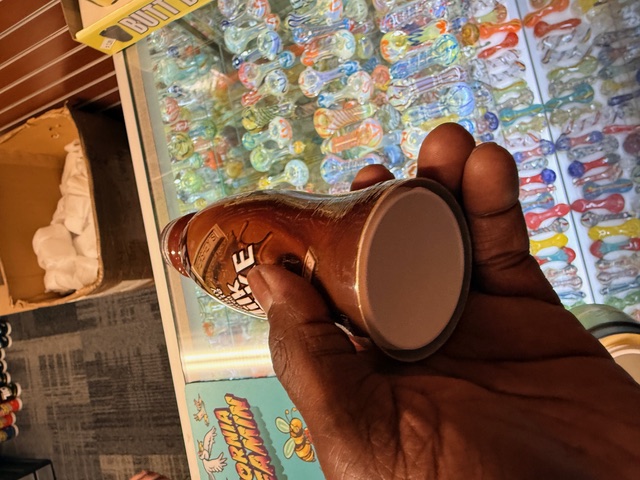
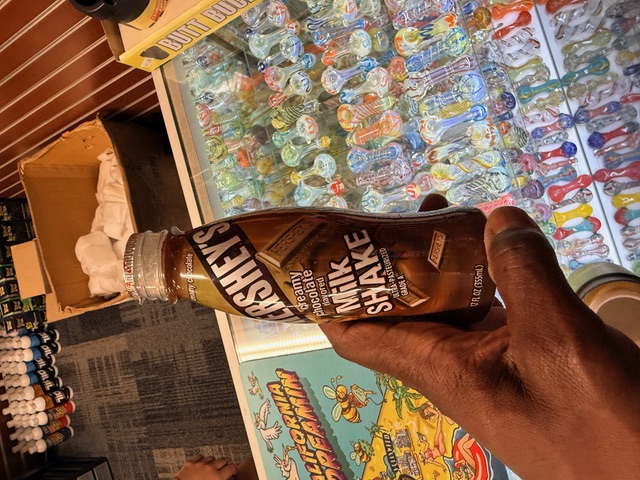
- Chocolate milk.
- Juice.
- Household cleaners.
At first glance, there may be nothing unusual about any of them. Except some of them may not be what they appear to be. That is the trend we need to understand.
Concealment Has Moved Beyond the Stash Can
The old stash can was relatively straightforward. Once you knew what you were looking for, some of these products were easier to recognize. Today’s products can be much more subtle. A bottle sitting on a bedroom dresser may not get a second look. Neither might body spray in a gym bag, gum in a backpack, a cleaning product underneath a sink, or a soda bottle sitting in a vehicle.
Why does this work? Familiarity.
We see these products every day. Our brains are conditioned to recognize them as ordinary objects, so we generally don't stop to question what is inside them.
During my scans, I have found concealment products in communities across the country. Smoke shops are one location where I frequently encounter them, but they are certainly not limited to smoke shops.
I have also had store clerks point out how these products are intended to be used. Sometimes they will recommend buying genuine versions of the product and placing them alongside the concealment version so that it blends in. They may discuss how realistic a product looks or whether it is marketed as helping conceal odors. The product is being designed and marketed around one basic idea: not being noticed.
Sometimes the Stash Isn’t a Container
We often think about a stash as a container sitting on a shelf. But today's concealment market can include bags, clothing, hats, shoes, and other everyday items with hidden compartments.
One example I have encountered during my scans is a backpack with a discreet stash pocket. From the front, side, and back, the backpack can appear completely normal. But depending on the model, there may be a hidden compartment incorporated into the construction of the bag.
In some designs, the compartment is located along a seam on the back of the backpack and secured with a zipper. It can be easy to overlook during a quick visual inspection because it is incorporated into the design of the bag. That is the point. The concealment doesn't necessarily look like an obvious hidden compartment. “Sprayground” is one brand where I have encountered backpacks with stash pockets. Not every “Sprayground” backpack has one, and designs vary by model. Other brands also offer backpacks and products with concealment features, and the market doesn't stop with backpacks.
I have encountered concealment features incorporated into hats, shoes, clothing, bags, and other products. The stash market is extensive. While some products are primarily encountered in smoke shops, others can show up in mainstream retail environments and shopping malls. Again, there is nothing inherently illegal about a hidden pocket. The pocket isn't the problem. What someone chooses to put in it is what matters.
Look Beyond the Obvious
This is why awareness matters for parents, educators, prevention professionals, and law enforcement. We spend a lot of time educating people about what substances and drug-related products look like. That is important.
But there is another part of the equation: Where might someone put them?
If we only learn what a substance looks like but never consider how products can be concealed, we are missing part of the picture. That doesn't mean walking into a home, classroom, dorm room, or vehicle and assuming every ordinary product is suspicious. It means understanding what is possible and knowing what to look for when the circumstances call for it.
You might notice:
- An item with an unusual weight for what it appears to contain.
- Tops, bottoms, or other sections that separate unexpectedly.
- Unusual seams or construction that don't appear consistent with the product.
- Containers that are being kept long after they should have been empty.
- Everyday products that someone is unusually protective of.
- A bag with unexpected seams, zipper tracks, layered panels, or padded sections.
- An item that appears completely normal but seems out of place within the environment.
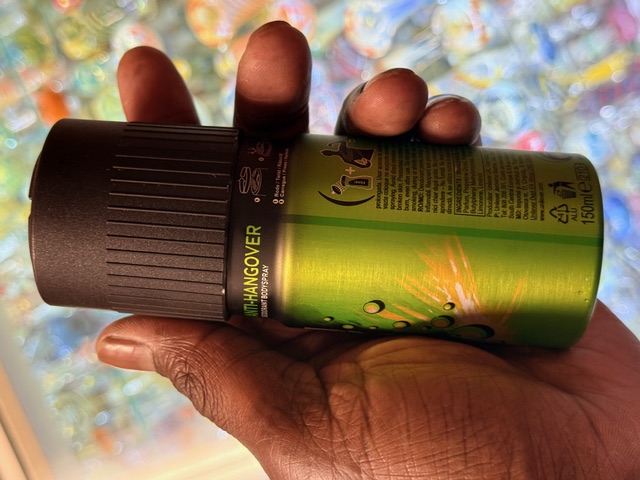
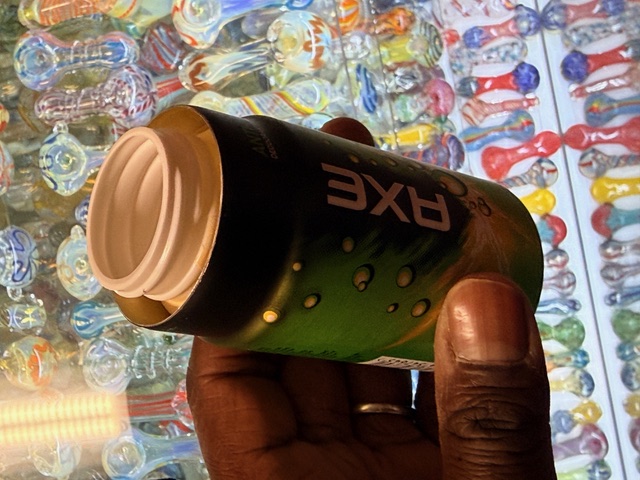
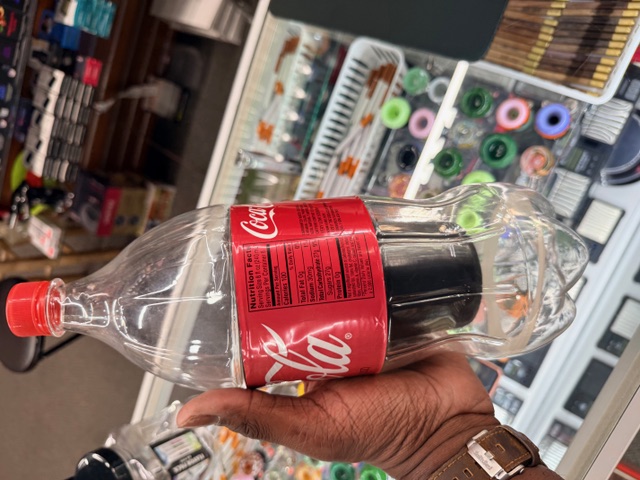
Inspection Requires Context
If you are examining a backpack, bag, or other product professionally, know the specific product and model you are dealing with. Designs and compartment configurations can vary considerably. If you are suspicious google search the brand and item using some key words like “stash, hidden, pocket. When dealing with concealment products professionally, it is also important to know and follow applicable laws, school policies, agency procedures, and organizational guidelines. For parents, awareness can start much earlier. Know what you are purchasing. Understand how products are designed and what features they contain. That doesn't mean assuming the worst about the person using the product. It means being informed about the products entering your home.