WHAT DRUG JUST SILENTLY REPLACED THE SYNTHETIC OPIOID 7OH?
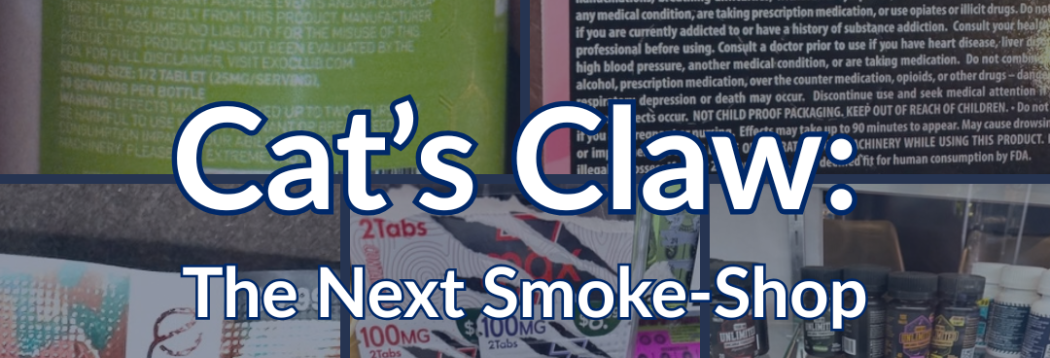
Written by: Officer Jermaine Galloway, October 2026

Written by: Officer Jermaine Galloway, October 2026

By Mark Baxter, Founder of SureScanID, Sworn Detective, Court-Certified Document Expert, Tall Cop Speakers Network Expert
A police detective and ID expert on why the real danger of a fake ID isn't what it buys at the counter.

By: Jermaine Galloway
September 2026
One of the things I have learned after years of doing community scans is that when we think we know what we are looking for, we sometimes miss what is sitting right in plain sight. That is especially true when it comes to concealment.
Written by Rich Grosfelt August 2026

Written by: Jermaine Galloway
August 2026
As we head into a new school year, there is one question I believe schools, parents, and community professionals should be asking:
Could schools begin seeing more kratom this year?
Unfortunately, I believe the answer may be yes.
That does not necessarily mean more young people are suddenly seeking out kratom. Instead, several factors may be coming together that could make kratom more visible, more affordable, and more accessible to young people.
Here are some of the trends I believe professionals should be watching.
As states take different approaches to regulating kratom and products containing 7-hydroxymitragynine (7-OH), manufacturers and retailers may adjust their products, pricing, and marketing strategies.

Written by Ben Gillenwater, Tall Cop Speakers Network
Somebody is going to ask you about this in the first weeks of school. A parent, a principal, a teacher who noticed something. Their kid is talking to an AI chatbot and they want to know whether it is a problem.
Drug testing is one of the most important tools we have for identifying trends from our streets to our schools. The information gathered through testing helps shape treatment, enforcement, education, and prevention efforts. But accurate or not, why does it feel like, at the Boots on the Ground™ level, drug identification and testing from hospitals to laboratories aren't always keeping up with the rapidly changing drug market? The reality is that drug trends evolve much faster than many people realize, and the systems responsible for detecting those drugs might have to play catch-up. That doesn't mean they're doing a poor job, it simply means the challenge has become much more complicated.
Written by Jermaine Galloway June 2026
If you have attended one of my in-person trainings over the last two years, listened to one of my podcasts, or followed recent drug trend reports, you have probably noticed a common theme: psychedelics are becoming one of the most talked-about drug categories in America.
By Tall Cop Jermaine Galloway
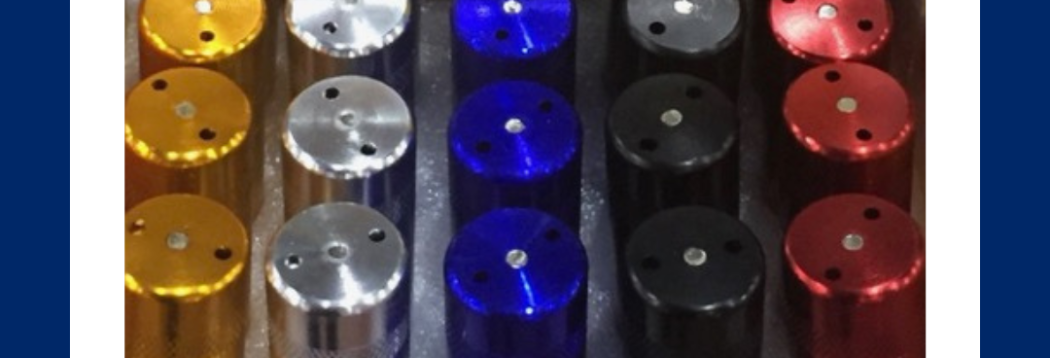
Nitrous oxide, commonly called “laughing gas,” is a colorless gas with a long history of legitimate medical and dental use. In hospitals and dentist offices, it is used to help relax patients during procedures because it acts quickly and its effects wear off rapidly. Nitrous oxide falls into the drug category known as inhalants.
Most people associate nitrous oxide with dentistry, but from a “Boots On The Ground” perspective, we are increasingly seeing it show up outside of medical settings. Recreational misuse of nitrous has been around for years, but recently its visibility, accessibility, and popularity appear to be increasing in many communities.

The “Delta-8 of Hallucinogens”? A Closer Look at Amanita Muscaria in Today’s Market
Written By: Officer Jermaine Galloway, the Tall Cop